
Planning for race day

Updated: Nov 20, 2025
A plan is essential if you want to consistently perform at your best. It tells you and your team what to do when to stay on target and minimises the chance of being thrown off course by unexpected factors that you could – and should – have been prepared for. By the time you are a junior you should be starting to take more responsibility for these things yourself and relying less on your parents to remind you what to do, especially if you have hopes of turning professional. As an U23 you should definitely be leading the plan for the day.
In the week before the race: race prep
Watch the race
If possible, watch the previous year’s race. If you can’t access the whole stream then look for clips on YouTube. Even if there are changes to the course you’ll still get an idea of how the land lies. Get a feel for how the race evolved. Work through the following questions – doing so will help fix the important points in your mind.
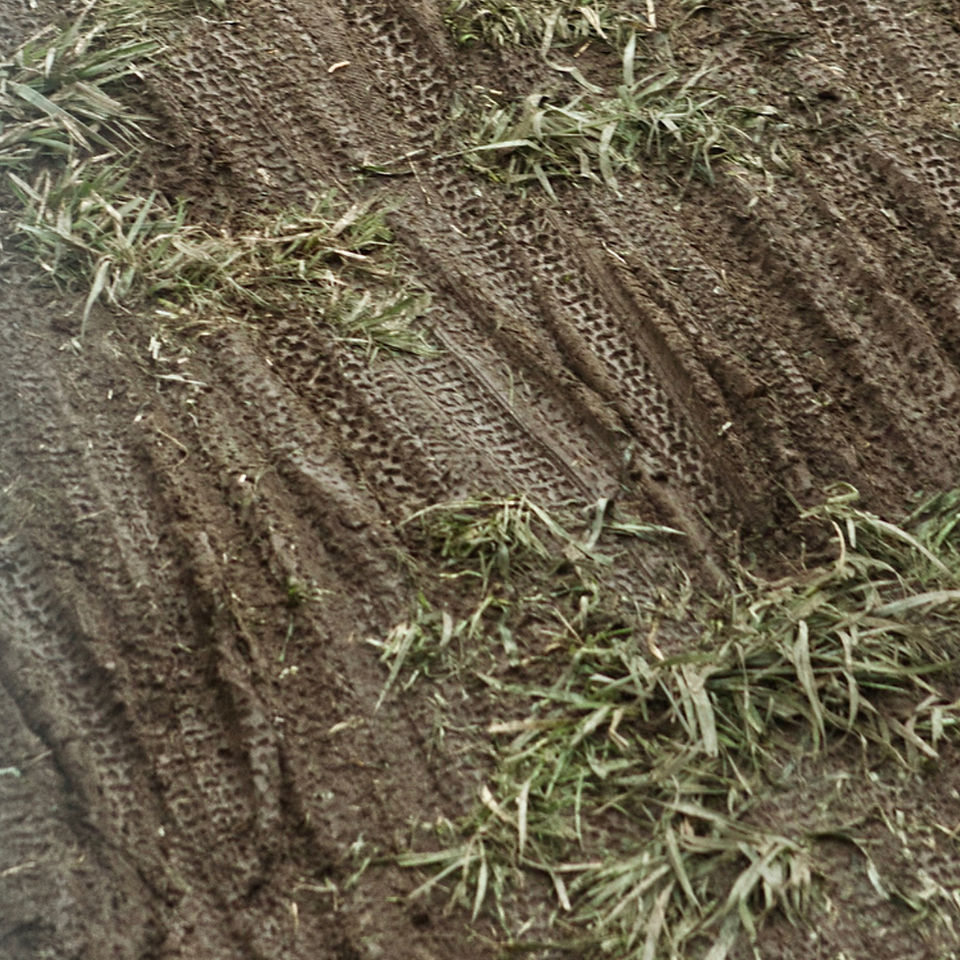
What is the ground is like? (e.g. sandy, stony, heavy, prone to water logging)
Could the ground conditions change with the weather?
What sort of tyres did people run?
What might your tyre options be?
Was the race fast, slow or tactical?
Did people choose to ride or run features?
Where did people attack?
Where did they gain advantages?



Check your journal
I’m sure you’re keeping a race journal… If not, start one. Review your journal for previous times you’ve raced at the venue. Make use of your notes when planning.
This is especially for UK races where there is no TV coverage, but of course won’t be possible if it’s your first time out in Belgium.
Check the weather
It’s worth checking a week in advance in case you need to consider changing any tubs due to the weather. But in general, I wouldn’t start to really rely on a forecast until around 48 hours beforehand. Ideally check two different forecasts - if they’re roughly the same, they’re probably reliable. If they differ, it means conditions are unsettled and uncertain. Maybe check a third forecast to see if there is a consensus. We usually use the iPhone weather app, metcheck.com and the Met Office, in that order. Consider temperature, wind strength and wind chill, and rain.
Adapt your setup if necessary
Use this background knowledge of course and weather to plan your likely tyre choices and starting pressures for course practice. Make changes to your tyre choices if necessary. Consider things like changing your chain ring size depending on the terrain – for example, for the massive climb up the Koppenberg. Or whether you need to add a bottle cage at warm early-season events.

A day or two before the race: logistics
Organisation websites
Look at the relevant websites. For a Belgian race you’ll find that there are layers of information. Firstly, the series (e.g. Superprestige) will have a website, with a subpage for each race in the series. The race subpage will have the address, parking information and the location of the ‘permanence’ (race HQ, which is usually where sign on is). On this page is also a link to the website of the local organisation - a separate site run by the race organisers with additional information. The logistics information is usually under the menu as ‘praktisch’. For more useful translation tips, check out our piece on Flemish for ‘cross riders.
You need to know the following:
Is there is a specific route organisers want you to arrive by? (to avoid road closures and pick up race signage)
Where is sign on?
Where is parking for your category?
Where is the course?
Look it all up on the map to get a feel for where everything is. Compare the course map to a real map so you can see where the start/finish and the pits are as you won’t have an address for those. Work out the journey time to the event, and time between sign on and parking (sometimes a long way!), then switch between driving/riding/walking functions to check the time it will take you to ride from parking to the start/finish and the time it will take your pit crew to walk to the pits.
Timings will be on the website too: sign on opening (which may not be accurate!) plus the schedule of races, which will determine your practice time. There is normally no restriction on practice times – if there is no race in progress, you can practice. Often, you can practice before all riders have finished the race, provided you don’t interfere with the last rider on course - go to just after the finish and you’ll be let on course.
Technical guide
Lots of this logistical information is detailed in the Technical Guide - which is often (but not always) in English. Some guides are better than others, but there will always be one as it’s a requirement for all UCI races. If it isn’t available for download on the organiser’s website you can email the organisers to request a copy. It can contain snippets of crucial information that aren’t on the main website. Think MvdP crashing at the Tokyo Olympics because he didn’t know that ramp was being removed. That information would have been in the Tech Guide.
Write your plan
Schedule
Once you’ve gathered all the useful data, plan your day. Begin by writing down your race time, then work backwards.
When to go to grid? (allowing time to get there)
When to warm up? (allowing time to change base layers, put jacket on)
When to put your race kit on? (allowing time to pin your numbers)
Then work out when your course practice will need to be, and write that down. Based on this and your race time, work out:
When to eat? (what will you eat?)
When to change out of warm up kit? (what will you wear?)
When will you need to arrive at the parking?
When will you sign on?
When will you leave home?
You can do the same with your pit crew so that everything is ready for you at the right time. Check out the plan below that we made for the Superprestige Noordzee Cross at Middelkerke.
Share
Share the plan with everyone on your team. They can't play their part fully if they don't know what you need from them. Options include a printed sheet (new every time); a lamintated sheet or whiteboard that you can reuse; or a note in your smartphone with your team invited as collaborators. Whatever works best for you. If you want to print or adapt the EvoDevo template, the PDF and Excel files are available for download below.

Planning templates for download
If you’ve found this helpful, please consider donating here to support the work we do with young riders. We are not-for-profit and entirely reliant on donations.
